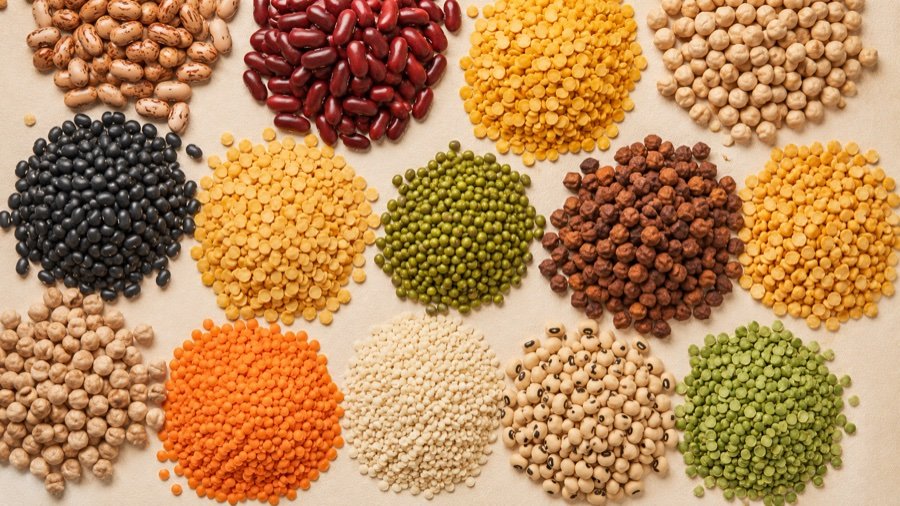
India produces the large majority of the world's cumin and a significant share of its fennel, and most of that supply traces back to two neighbouring states: Gujarat and Rajasthan. For a buyer comparing quotes that all list "Origin: India," it's worth understanding why this particular belt produces the volumes and quality it does — the answer is a combination of climate, soil, and decades of accumulated processing infrastructure that's difficult for other regions to replicate quickly.
A climate that suits cumin and fennel specifically
Cumin and fennel are both rabi (winter) crops in this region, sown after the monsoon and harvested in the dry heat of late winter and early spring. The semi-arid climate across Gujarat's Saurashtra and Kutch regions, and Rajasthan's western districts, provides exactly the combination these crops need: a cool growing period followed by dry, low-humidity conditions at harvest time, which is critical for achieving the low moisture content that gives export-grade cumin its long shelf life and strong essential oil retention.
Soil and water management built for these crops
The sandy loam soils common across this belt drain well, which suits cumin's shallow root system and reduces the risk of fungal disease that thrives in waterlogged conditions — a persistent challenge for cumin cultivation in wetter climates. Farmers in this region have also refined irrigation scheduling over generations, applying water at the specific growth stages that maximise seed oil content without encouraging the excess vegetative growth that can reduce yield.
Mandi infrastructure: the part buyers don't see
Beyond the farming itself, this region has built out extensive mandi (wholesale market) infrastructure over decades — specialised aggregation points where crops from thousands of smallholder farms are collected, initially graded, and moved into the processing pipeline. Unjha in Gujarat, for instance, is one of Asia's largest spice trading markets and functions as a central price-discovery and aggregation point for cumin specifically. This infrastructure means processors can reliably source consistent volumes at predictable quality bands, something that's much harder to replicate in regions without an equivalent trading ecosystem, even if the raw growing conditions were comparable.
What this means for buyers evaluating "Product of India" on a spec sheet
- Ask which specific region within India the lot originates from — Gujarat and Rajasthan cumin is generally considered benchmark quality
- Understand that harvest timing (typically February to April for cumin) affects freshness and available stock through the year
- Recognise that established mandi-linked processors tend to offer more consistent quality across repeat orders than smaller, less connected traders
Seasonality affects price and availability, not just quality
Because these are seasonal rabi crops, prices and available stock fluctuate through the year — new harvest typically brings better pricing and fresher stock, while orders placed later in the season draw from stored inventory. Buyers planning large or recurring orders benefit from understanding this cycle rather than assuming price and availability stay constant year-round.
Why this matters beyond cumin and fennel
The same underlying pattern — regional climate suited to a specific crop, plus generations of accumulated aggregation and processing infrastructure — explains why certain Indian regions have become synonymous with specific spices: Kashmir with chilli grown for colour, Kerala with pepper and cardamom, and Gujarat and Rajasthan with cumin and fennel. Origin isn't just a label; it reflects a genuine supply chain advantage built over time.
Related Articles
Spice Grading Explained: ASTA, SHU and Purity Standards Every Importer Should Know
Read article
How to Choose a Reliable Spice Exporter in India: A Buyer's Checklist
Read article