
India supplies roughly half the world's traded spices, which means the pool of exporters an importer can choose from is enormous and uneven. For every established processor with lab-tested lots and full documentation, there are several traders reselling unverified stock. If you're sourcing spices from India for the first time, the difference between a smooth first shipment and a costly dispute usually comes down to how carefully you vetted the exporter before the first purchase order was signed.
This isn't about finding the cheapest quote. It's about finding a supplier whose claims about grade, purity and consistency will still hold up when the container is opened six weeks later on the other side of the world.
Start with sourcing transparency, not the price list
Ask directly where the raw material comes from and be specific: which state, which mandi or farmer network, and whether the exporter processes in-house or buys pre-processed stock from a broker. A supplier who can answer this without hesitation is usually processing the goods themselves, which gives them (and you) far more control over quality than someone reselling someone else's lot.
Questions worth asking before you request a sample
- Do you process and pack the material yourselves, or source finished stock from other exporters?
- Which region does this specific crop come from, and does that match the origin on your spec sheet?
- Can you share a Certificate of Analysis for the exact lot, not a generic product spec?
- What cleaning and sorting stages does the raw material pass through before packing?
Documentation is the fastest filter
A genuine export-grade supplier will have Certificates of Analysis, phytosanitary certificates, and fumigation certificates ready as a matter of routine — not something they need days to arrange. If documentation requests are met with vague timelines or requests to skip paperwork "to save time," treat that as a signal, not an inconvenience. Complete paperwork protects both sides: it's what allows customs clearance to go smoothly and gives you a paper trail if a quality dispute ever arises.
Ask for a sample that matches the shipment, not a showcase sample
Some suppliers keep a small batch of premium-grade stock purely for sampling, while the bulk shipment comes from a different, lower lot. Protect against this by asking the exporter to pull your sample from the same lot number that will ship, and request the lot number in writing on the sample packing slip. It's a small ask that removes a common source of disputes.
Look for lab testing as standard practice, not an upsell
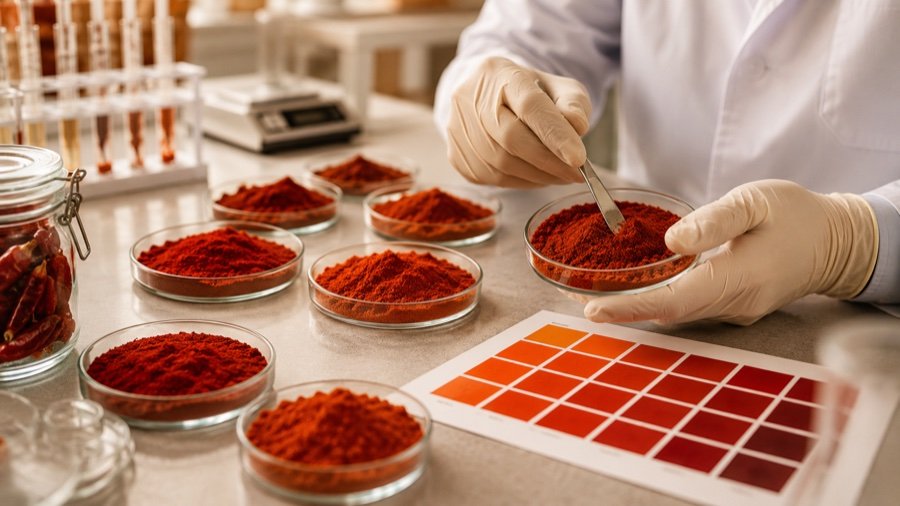
Moisture content, purity percentage, admixture, and safety parameters like aflatoxin or pesticide residue should be tested on every lot, not only when a buyer specifically requests it. Exporters who test as standard practice can usually produce historical test data for previous shipments on request, which tells you a lot about consistency across orders, not just the one you're about to place.
A short checklist before you place a first order
- Sourcing region and process confirmed in writing
- Certificate of Analysis available per lot
- Sample tied to an actual lot number
- Clear Incoterm and packaging spec agreed
- Realistic lead time, not an unusually fast one
- References or an export track record you can verify
Be cautious of unusually fast lead times
Cleaning, sortex grading, lab testing and proper packing all take time. An exporter promising unusually fast turnaround on a bulk order, especially during a season when that crop isn't freshly harvested, is more likely cutting a processing stage than working faster. A realistic lead time is a good sign, not a delay to be negotiated away.
The relationship matters more than the first invoice
Spice sourcing works best as a repeat relationship rather than a one-off transaction. Exporters who are transparent about crop seasonality, willing to discuss grade variation honestly, and responsive after the sale — not just before it — tend to be the ones worth building a long-term supply chain around.
Related Articles
Spice Grading Explained: ASTA, SHU and Purity Standards Every Importer Should Know
Read article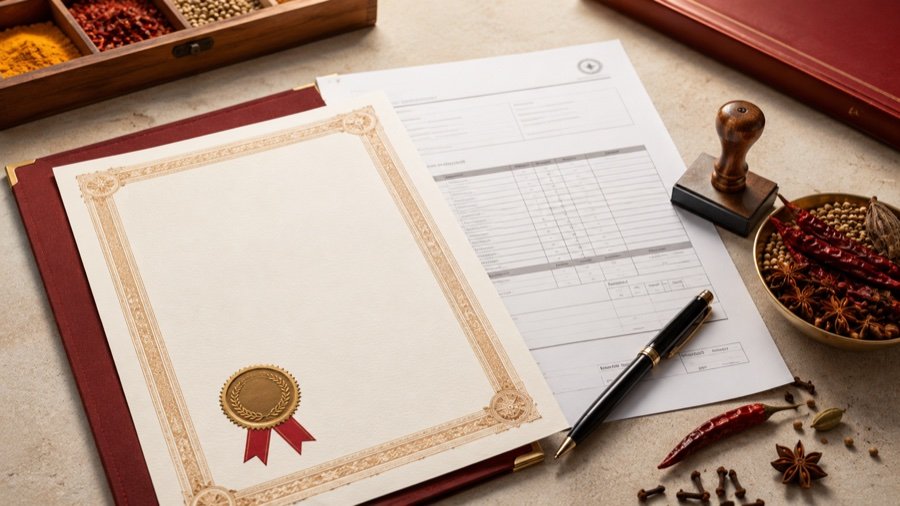
FSSAI, HACCP and ISO Explained: What Food Safety Certifications Actually Mean for Buyers
Read article