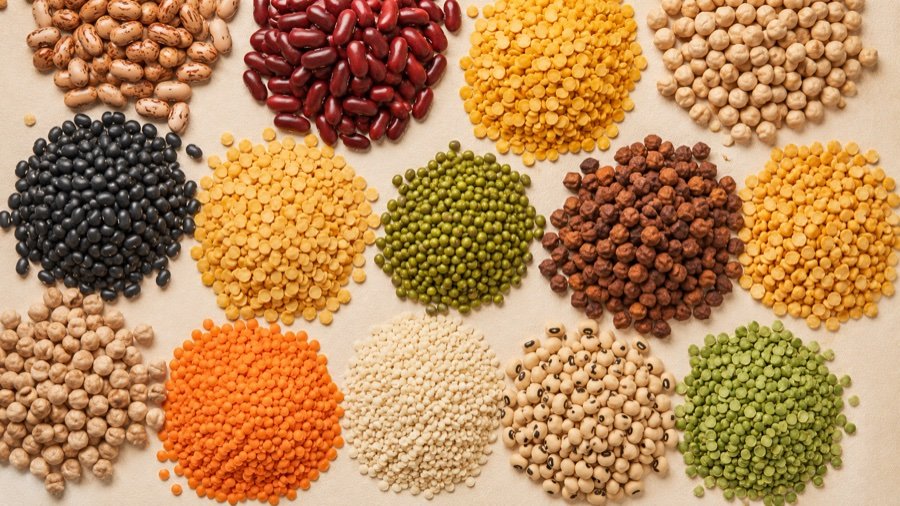
A shipment of spices or pulses can spend anywhere from three to six weeks at sea, passing through temperature swings, humidity changes and rough handling before it ever reaches a warehouse. The product that arrives in that condition is a direct result of decisions made at the packing stage weeks earlier — not something that can be fixed after the fact. Understanding what good export packaging actually does helps buyers ask the right questions before a shipment leaves port.
Moisture is the primary risk, not damage
The biggest threat to bulk spices and pulses in transit isn't rough handling — it's moisture. Shipping containers experience significant temperature swings between day and night and across latitudes, which causes condensation to form on the container's interior surfaces — a phenomenon known in the industry as "container sweat" or "container rain." If packaging isn't moisture-resistant, that condensation can drip directly onto the cargo, triggering mould growth or clumping that ruins an otherwise well-processed product.
Common packaging formats and what they're suited for
- Multi-layer paper or PP (polypropylene) bags — standard for bulk whole spices and pulses, cost-effective for large volumes
- Vacuum or nitrogen-flushed packs — reduces oxidation and pest risk, common for ground spices and higher-value products
- Food-grade poly liners inside outer bags — an added moisture barrier, frequently used for hygroscopic products
- Retail-ready pouches and jars for private label or direct-to-shelf orders, prioritising presentation alongside protection
Desiccants and container liners
For sensitive cargo, silica gel or clay-based desiccant bags placed inside the container absorb ambient moisture before it can condense onto the product. Container liners — essentially a large moisture-barrier bag lining the entire container interior — are another common solution for bulk shipments, particularly for hygroscopic pulses that readily absorb humidity from the surrounding air. Which combination makes sense depends on the specific product, the shipping route, and the season the shipment departs in.
Pest control without compromising food safety
Fumigation, most commonly with the certified treatment required for wooden pallets and packaging under international phytosanitary rules, addresses pest risk at the source before loading. Buyers should confirm fumigation certificates are provided as standard, since several destination countries require them for customs clearance regardless of whether the exporter considers the shipment "clean" without treatment.
Questions to ask about packaging before confirming an order
- What packaging format is standard for this product and volume?
- Is a poly liner or desiccant included, or available as an add-on?
- Will the container be fumigated before loading?
- Can packaging be adjusted for a hotter or more humid destination climate?
Loading and container selection matter too
Even well-packaged cargo can be affected by how a container is loaded — overloading, uneven weight distribution, or stacking that restricts airflow — can all increase localised humidity pockets inside the container. Reputable exporters follow loading protocols that account for this, rather than simply maximising volume per container without regard to how the cargo will behave in transit.
Matching packaging to destination climate
A shipment destined for a cooler, drier climate has different risk exposure than one heading to a tropical or high-humidity port. Sharing your destination port and expected transit time with your supplier allows packaging to be adjusted accordingly — extra desiccant, a heavier liner, or a different bag specification — rather than relying on a one-size-fits-all packaging standard for every order.
Related Articles

FOB, CIF or CFR? Incoterms Every First-Time Food Importer Should Understand
Read article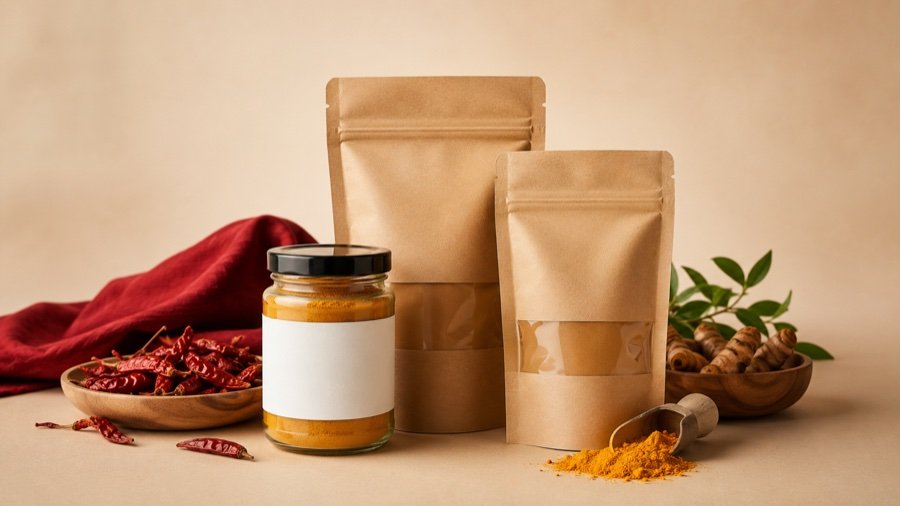
Private Labelling 101: What Importers Should Know Before Requesting Custom Packing
Read article